Ti koja imaš nevinije ruke
2019 · feature-length documentary film · audiovisual project
A long-developed Croatian documentary portrait of Vesna Parun, completed with formal production contracts and a final web master.
This project credentials: Creative production
Notes from the producer
We came onto this one as co-producer, not as its author. The film belongs to Branko Pejnović, who knew Vesna Parun and had spent years trying to make a proper portrait of her; our part was to give that effort a production spine - contracts, roles, a co-production share carried in kind - so the work could actually be finished instead of staying a folder of good intentions. It reached a final web master in July 2020 and later aired on HRT, which for a film this size is the hard part done.
I will not pretend the afterlife is tidy. Part of the original contract archive was lost, and from what we hold I cannot lay out a clean run of festivals or dated screenings. What I can say is that the poem got its film, the people who knew Parun got to speak, and the thing exists as a finished, broadcast object. Sometimes that is the whole of the service, and it is enough.
- Matija Radeljak
The story
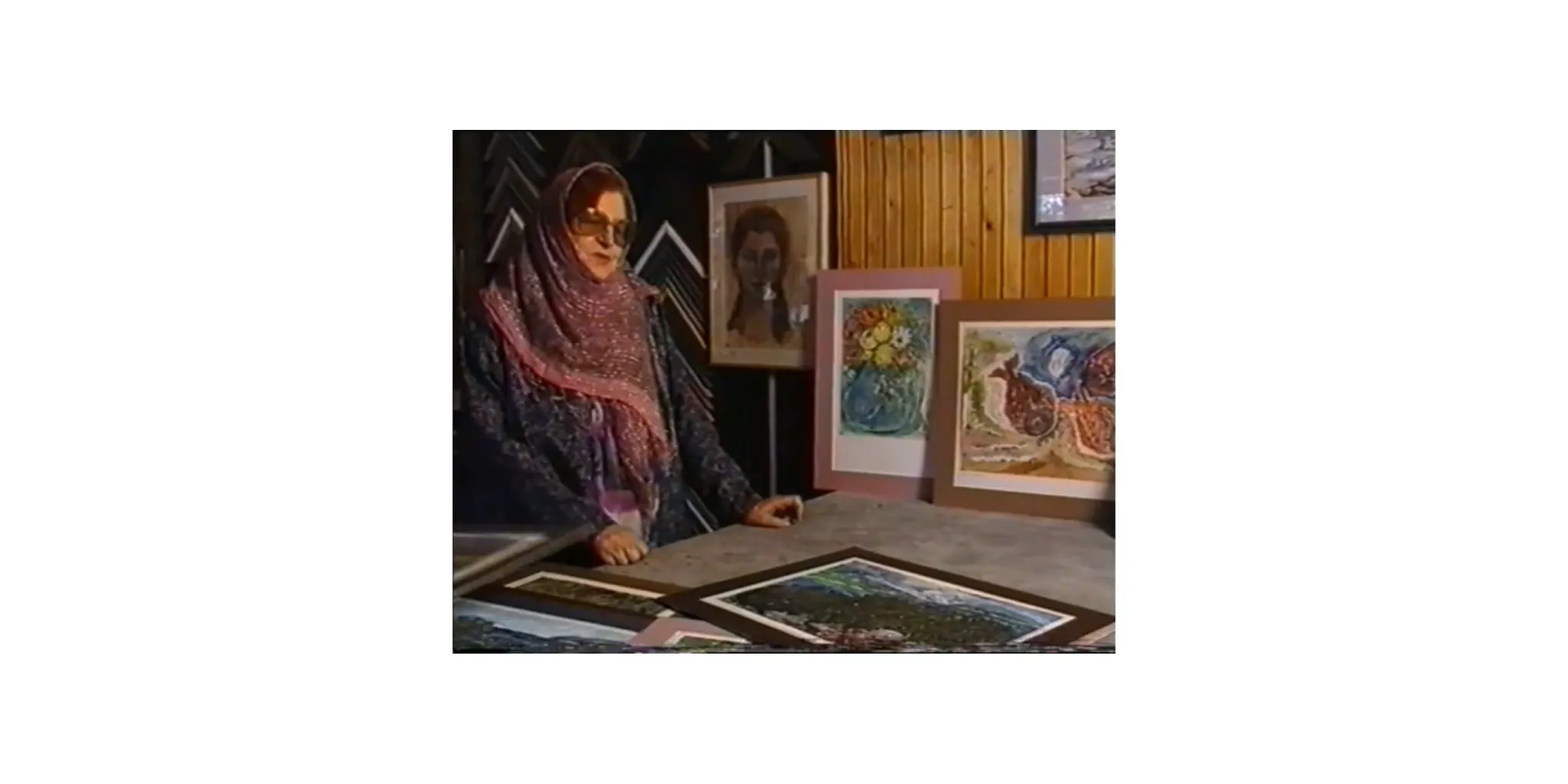
"Ti koja imaš nevinije ruke" is one of the most recited love poems in Croatian, written by Vesna Parun in the summer of 1953. The documentary that borrows its title is not a monument to the poem but an attempt to bring Parun back as a living voice: her own recordings and manuscripts, the private objects left in a Dubrava basement after her death, and the testimony of people who knew her work from the inside. The concept and treatment, drafted by Branko Pejnović in April 2019, set that intention plainly - to move Parun out of ceremonial remembrance and back into public attention, years after her death.
Pejnović, who knew Parun personally, carried the film as director, screenwriter, and lead producer, working through his cultural association in Slunj and applying to the Croatian Audiovisual Centre for production support. Aning Film joined as co-producer, with Andrea Radeljak signing on the studio's behalf, and the production was put on a formal footing at the end of March 2019. Four contracts divided the labour and the money: forty thousand kuna for writing and directing, twenty thousand for assistant direction (Ljudmila Družinec Mitrović), forty-six thousand two hundred for camera and editing (Mario Borščak, through Fantom media), and a twelve-thousand-kuna co-production share carried in kind by Aning Film. This is the service the project actually documents: not a house style imposed on an author, but production structure lent to someone who already had the subject and the access.
The financing sat in two layers. A signed 2020 statement records earlier grant support from 2008 to 2012 - ten thousand kuna from the Croatian Academy's foundation and one hundred thousand from the City of Zagreb's culture office, alongside co-producer Lijeni film - while the 2019 contracts, with payment deadlines running into 2020, carried the later costs. That same statement is honest about a loss: part of the original contract archive was gone, destroyed by force majeure, which is why the paper trail is at once real and incomplete.
The film reached a finished form. A final web master, VesnaParun-Tikojaimasnevinijeruke-RezijaBrankoPejnovic-FinalWeb, is dated 13 July 2020, and it was broadcast by Croatian Radiotelevision on its third channel within the Art a la carte strand, the aired portrait carrying interviews with figures such as Tonko Maroević and Predrag Matvejević. The title also surfaces in public film databases as a Croatian documentary. What the archive does not carry is a clean chain of festival selections, sales, or dated screenings. The honest summary is a completed author documentary with a strong centre and a modest, only partly traceable public afterlife - which is often what these small, personal films leave behind.
Milestones
- 2008 — Earlier grant support recorded (2008-2012): Zaklada HAZU and City of Zagreb culture office
- 2019-03-30 — Production contracts signed: directing/writing, assistant direction, camera/editing, and co-production
- 2019-04 — Concept, treatment, and synopsis materials prepared by Branko Pejnović
- 2020-07-13 — Final web master delivered
- 2020-09-08 — Signed financing statement documenting earlier support and lost contract archive
Outcomes
- Completed film — Final web master delivered on 2020-07-13 (VesnaParun-Tikojaimasnevinijeruke-RezijaBrankoPejnovic-FinalWeb).
- Television broadcast — Aired by Croatian Radiotelevision on HRT 3 within the Art a la carte strand.
- Development materials — Concept, treatment, and synopsis prepared and dated in April 2019.
- Institutional submission — Project submitted to the Croatian Audiovisual Centre for production support.
Credits
- Branko Pejnović — Director, screenwriter, lead producer
- Ljudmila Družinec Mitrović — Assistant director
- Mario Borščak — Director of photography and editor (Fantom media)
- Andrea Radeljak — Co-producer representative (Aning Film)
- Aning film d.o.o. — Co-producer
- Fantom media, obrt za video produkciju — Production services
- Lijeni film d.o.o. — Co-producer (historical financing statement)
- Društvo prijatelja prirodnih ljepota Slunj i Rastoka — Applicant / lead organisation
- Vesna Parun — Central biographical subject
Press & links
- HRT program page for the documentary (Art a la carte, HRT 3)
- P-portal: Preradovićevom ulicom (podcast), guest Branko Pejnović
- https://hrtprikazuje.hrt.hr/hrt1/ti-koja-imas-nevinije-ruke-0-10898831
- https://p-portal.net/preradovicevom-ulicom-s1e2-gost-branko-pejnovic
- https://www.imdb.com/title/tt12865432/
- https://en.kinorium.com/2467650/
- https://www.imdb.com/name/nm11802556/
- https://www.imdb.com/title/tt37356254/
- https://kbm.mdc.hr/knjizevnici/knjizevnik-detalji/vesna-parun/142